Tank or Tankless Water Heater: Which Fits a Brainerd Lakes Home?
Both kinds of water heater work well in a northern Minnesota house, but they suit different households, so it pays to decide before the old one fails.
October 2, 2026 · 4 min read
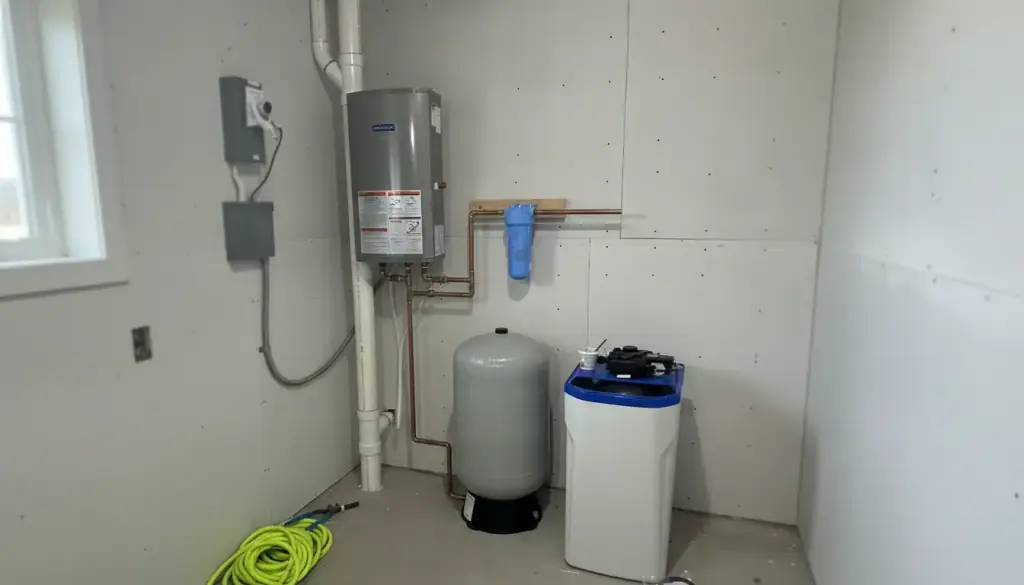
Most people think about their water heater twice: the day it goes in and the morning it stops working. In the Brainerd Lakes area, that second moment tends to arrive in the coldest part of the year, when the water coming into the house is as cold as it gets and a lukewarm shower is not something you shrug off. The better time to compare a tank with a tankless unit is before that morning, while you can think it through calmly.
How a tanked water heater works
A tanked water heater is an insulated cylinder that stores hot water and keeps it hot until you need it. Open a tap and hot water leaves the top of the tank while cold water enters at the bottom to refill it. That stored supply is the whole idea. It can cover a short rush of demand, like two showers and a dishwasher running together, because the hot water is already waiting. The catch is that the supply is limited. Use it all and you wait while the tank heats a fresh batch.
A tank also keeps heating water around the clock, whether or not anyone is home to use it, and it needs floor space. In a small utility room or a basement corner you are trying to keep clear, that cylinder takes up a real share of the room. On the other hand, tanks are familiar, the plumbing around them is familiar, and a replacement is usually a straightforward job. DB Plumbing installs, repairs and maintains tanked water heaters, so if a tank is the right answer for your house, you are not settling for second best.
Tanks do ask for some attention. Water leaves sediment behind, and over the years that layer collects at the bottom of the tank. Flushing the tank, checking the relief valve and its discharge line, and watching for moisture around the base are the habits that keep an older unit honest. It is worth scheduling that maintenance before you notice a problem, because by the time the symptoms show up the repair list is usually longer.
What a tankless water heater changes
A tankless heater has no storage cylinder. It heats water as it passes through, only while a tap is open. DB Plumbing points to three reasons homeowners choose that route:
- On-demand hot water. Nothing runs out because nothing is stored. As long as the unit is sized for your household, you get hot water for as long as the tap stays open, not just until a tank empties.
- Space-efficient design. A tankless unit mounts on the wall and takes a fraction of the floor area a tank does. If your utility room is tight, or you want that floor back for storage or laundry, it matters.
- Energy savings. The unit heats water only when you ask for it, so it is not keeping a tank of hot water warm through the night and while you are at work.
Those are real advantages, and they come with real questions. A tankless unit can only heat so much water at once. If two showers and the washing machine all ask for hot water at the same moment, the unit has to be sized to handle that load. Incoming water temperature matters too: the colder it arrives, the harder the unit works to bring it up, and water in this part of the country is cold for a long stretch of the year. The fuel supply and the venting also have to suit the model. That is why sizing a tankless unit to the house is not a step to rush.
Questions worth asking before you decide
You do not need a spreadsheet. A handful of honest answers usually points the way.
- How many people live in the house, and how many bathrooms are running at once on a busy morning?
- Is floor space tight where the water heater lives now?
- Is the house full on weekends and quiet during the week, as many lake homes are? A heater that only works when asked suits that pattern.
- How long do you plan to stay in the home?
- Is your current heater showing its age, with rusty water, rumbling or puddles at the base?
Signs your current heater is asking for attention
Rust-colored hot water, a rumbling or popping sound while it heats, moisture around the base, water that never gets as hot as it used to, or a pilot that keeps going out are all worth a call. Moisture at the base is the one that should not wait. If a tank is leaking, shut off the water supply to it and get a plumber out before a small leak becomes a flooded floor. A plumber standing in front of the unit can tell you whether repair or replacement is the better call.
Get a recommendation for your house
DB Plumbing offers a personal recommendation on water heaters, which is the part an article cannot do. Tell them how your household uses hot water, what you have now and what you would like to change, and they will help you weigh a tank against a tankless unit for your situation. One customer, Trevor Linan, wrote in a customer review: "DB Plumbing did a great job with my water heater replacement." The conversation before the install is where a result like that starts.
If you are weighing the two, the water heater page on this site lays out what DB Plumbing installs, repairs and maintains, tanked and tankless. To talk it through, call DB Plumbing in Brainerd at (218) 851-3424, Monday to Friday, 8 to 5.
DB Plumbing, (218) 851-3424
Call (218) 851-3424More articles
What a Sewer Smoke Test Finds, and When to Book One
A smoke test turns a hidden underground problem into a visible plume, so you know where the trouble is before anyone picks up a shovel.
Running Gas Piping for a Standby Generator: What the Job Involves
A standby generator is only as dependable as the gas line feeding it, and that line is not a place to cut corners.